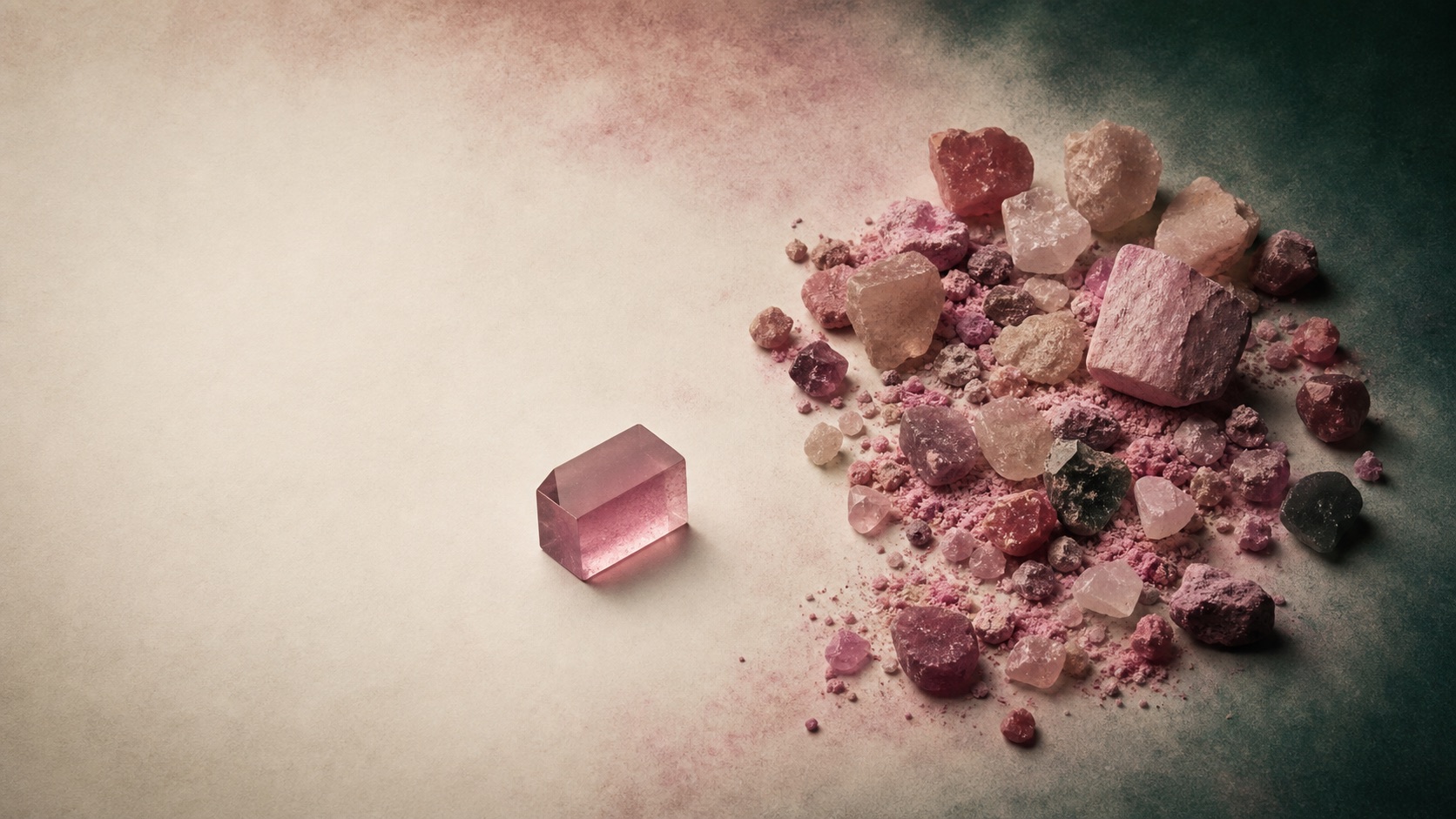
2C is not
2C-B.
In street conversation, “2C” often means tusi or tuci: a variable mixture commonly sold as pink powder. In chemistry, 2C-B is one specific psychedelic molecule. The names sound connected because they are. The contents usually are not.
Three meanings hiding
inside one sound.
“Two-see,” “tusi,” “tuci,” and “two-see-bee” overlap in conversation. Scientifically, they point to different things. That naming collision is the source of most confusion.
2C-B is a compound. Tusi is a market name. “2C” can mean either the formal chemical family or, on the street, the tusi mixture—so context matters.
The 2C family
A formal family of synthetic phenethylamines that includes 2C-B, 2C-I, 2C-E, and others. The “2C” label refers to two carbon atoms between the aromatic ring and amine in their shared chemical scaffold. Members are separate compounds, not mixtures.
2C-B
One defined member of that family: 4-bromo-2,5-dimethoxyphenethylamine. If a sample is authentic 2C-B, its molecular identity does not change from batch to batch—even though purity and dose can.
Tusi / tuci / “2C”
A non-standardized street mixture. Drug-checking programs frequently find ketamine and MDMA, sometimes with caffeine, stimulants, cocaine, opioids, local anaesthetics, or new psychoactive substances. There is no universal recipe.
Same-sounding label.
Different category.
The most important distinction is not which one is “stronger.” It is that one has a stable molecular identity and the other does not.
| Question | 2C-B | Tusi / tuci / street “2C” |
|---|---|---|
| What is it? | One synthetic psychedelic phenethylamine. | A product category or street brand applied to changing mixtures. |
| Chemical identity | C₁₀H₁₄BrNO₂; one defined molecular structure. | No single formula, structure, potency, or standard composition. |
| Often contains | 2C-B—if the product is authentic—plus possible impurities or adulterants. | Drug checking often finds ketamine + MDMA; other drugs and cutting agents vary by sample and region. |
| Usually contains cocaine? | No. | Often no. “Pink cocaine” is a misleading nickname, not a composition claim. |
| Usually contains 2C-B? | By definition, yes. | Usually no in recent testing. The DEA reported only 4 of 960 seized pink powders since 2020 contained 2C-B. |
| Main pharmacology | Serotonergic psychedelic activity, including partial agonism at 5-HT2 receptors. | Depends entirely on the batch; it may combine dissociant, empathogenic, stimulant, sedative, or opioid effects. |
| Can appearance identify it? | No. Colour and texture cannot confirm a molecule. | No. Pink dye and flavouring are marketing features, not a chemical test. |
| Biggest uncertainty | Identity, purity, concentration, and dose in an unregulated sample. | All of those—plus which active drugs are present at all. |
NOTE Seizure and drug-checking results describe tested samples, not every sample everywhere. They are strong evidence of variability, not a recipe for predicting an individual bag.
A molecule became
a pronunciation became a brand.
The connection between the names is real. The claim that modern tusi is simply diluted 2C-B is too neat for the evidence.
HOW TO READ THESE IMAGES The portrait is documented photography. The four editorial illustrations that follow explain a change in language, marketing, testing, and geographic reach; they do not show tested samples and cannot identify a substance by appearance.

Photo: Jon Hanna, 2011 · CC BY-SA 3.0 · resized with a responsive crop.
2C-B is synthesized
Alexander Shulgin first synthesized and explored 2C-B, a brominated phenethylamine related in structure to mescaline. It later became known in psychedelic and club-drug contexts as “2C-B” or “Nexus.”
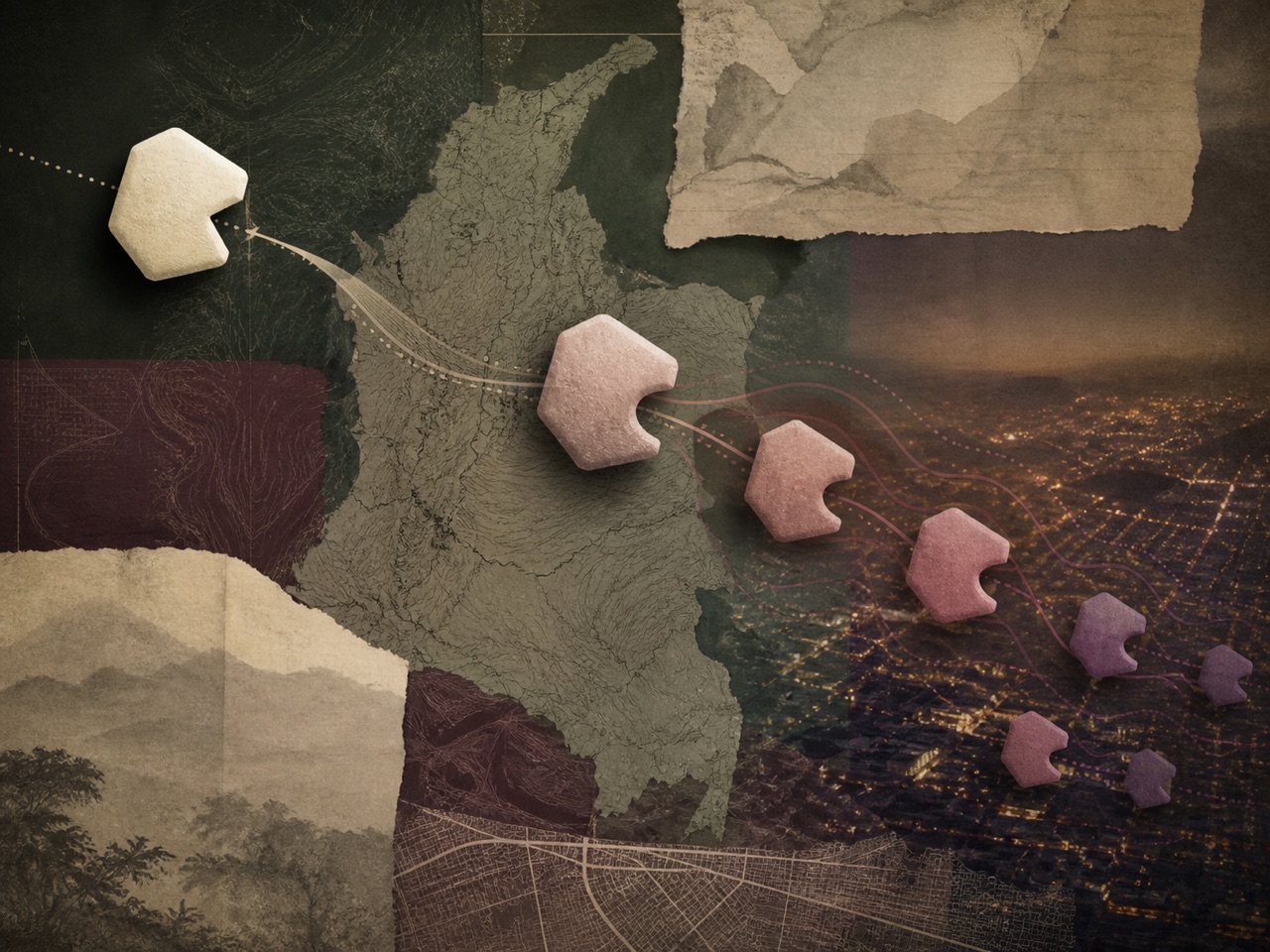
Conceptual illustration of a pronunciation becoming a market identity—not a record of a specific event.
to early 2010s
The name travels into Colombian nightlife
2C-B reached elite nightlife scenes as a scarce, costly imported drug. “Two-see-bee,” rendered phonetically in Spanish, became tusibí, tusi, or tuci. Producers began using the sound and prestige of the name for locally assembled mixtures intended to evoke or market a novel party experience.
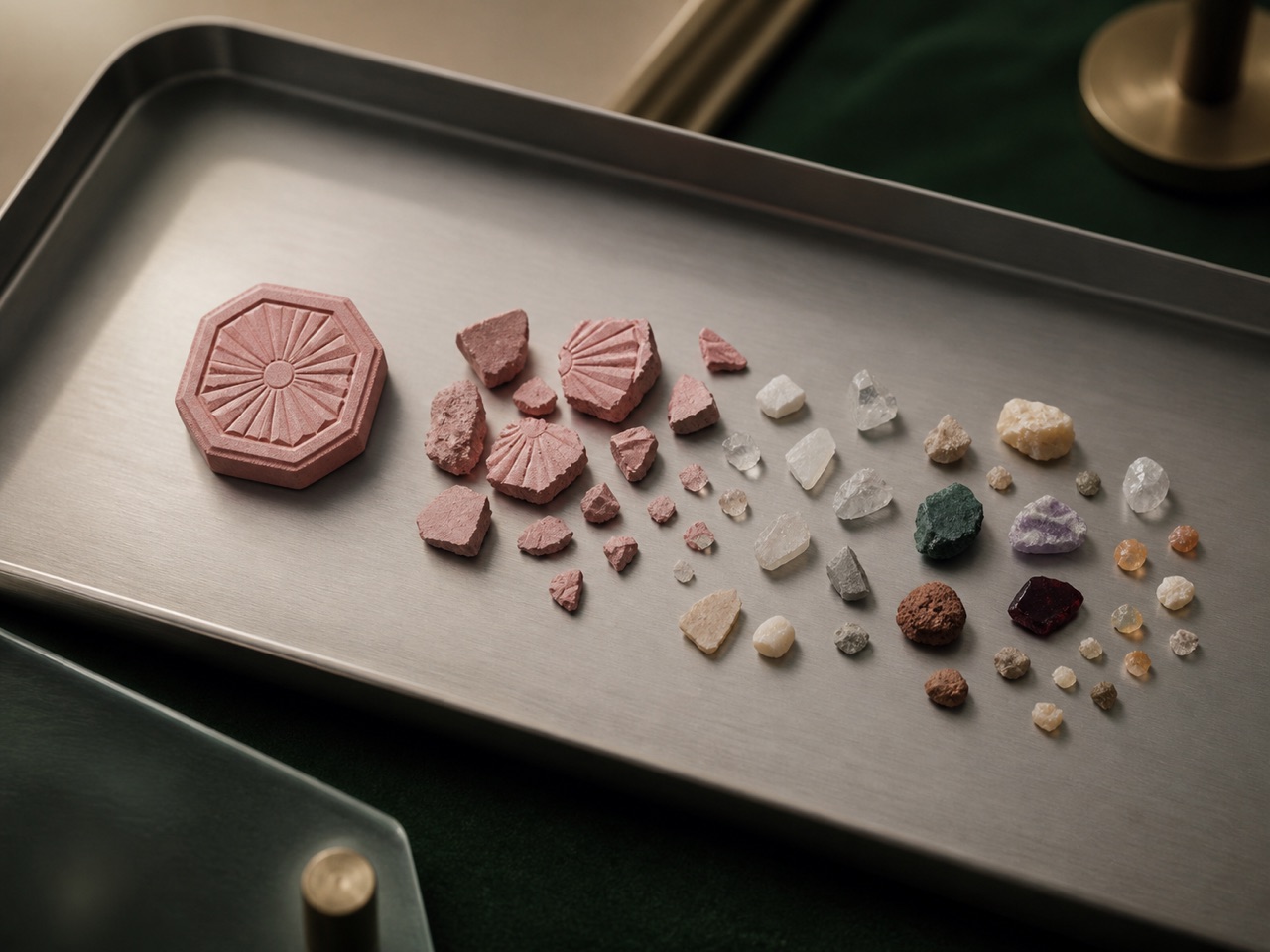
Conceptual illustration of variability—not a recipe or photograph of a tested sample.
The label separates from the molecule
Tusi develops its own identity: coloured, flavoured, and promoted as a premium or customized mixture. Ketamine and MDMA become recurring ingredients. “Pink cocaine” adds another misleading name even though many samples contain neither cocaine nor 2C-B.
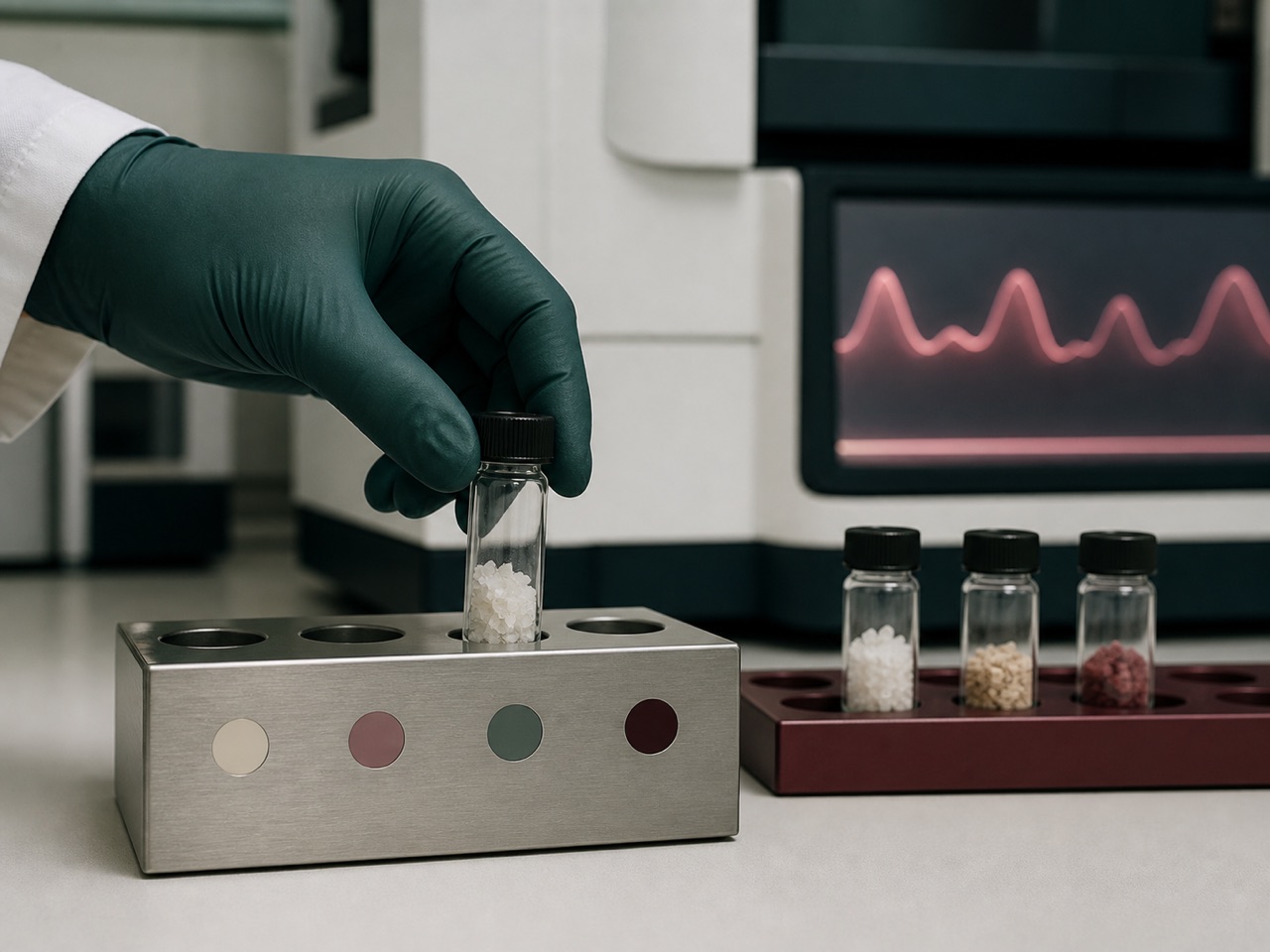
Conceptual laboratory illustration. Qualified drug checking can reveal contents that colour and branding cannot.
Drug checking makes the gap visible
Colombian testing reported ketamine in 71% of 228 samples submitted as tusi in 2021. In Chile, 99% of 2,093 products submitted as “2C” group samples in 2022 contained ketamine, while a 2C-family substance appeared in only 13 samples.
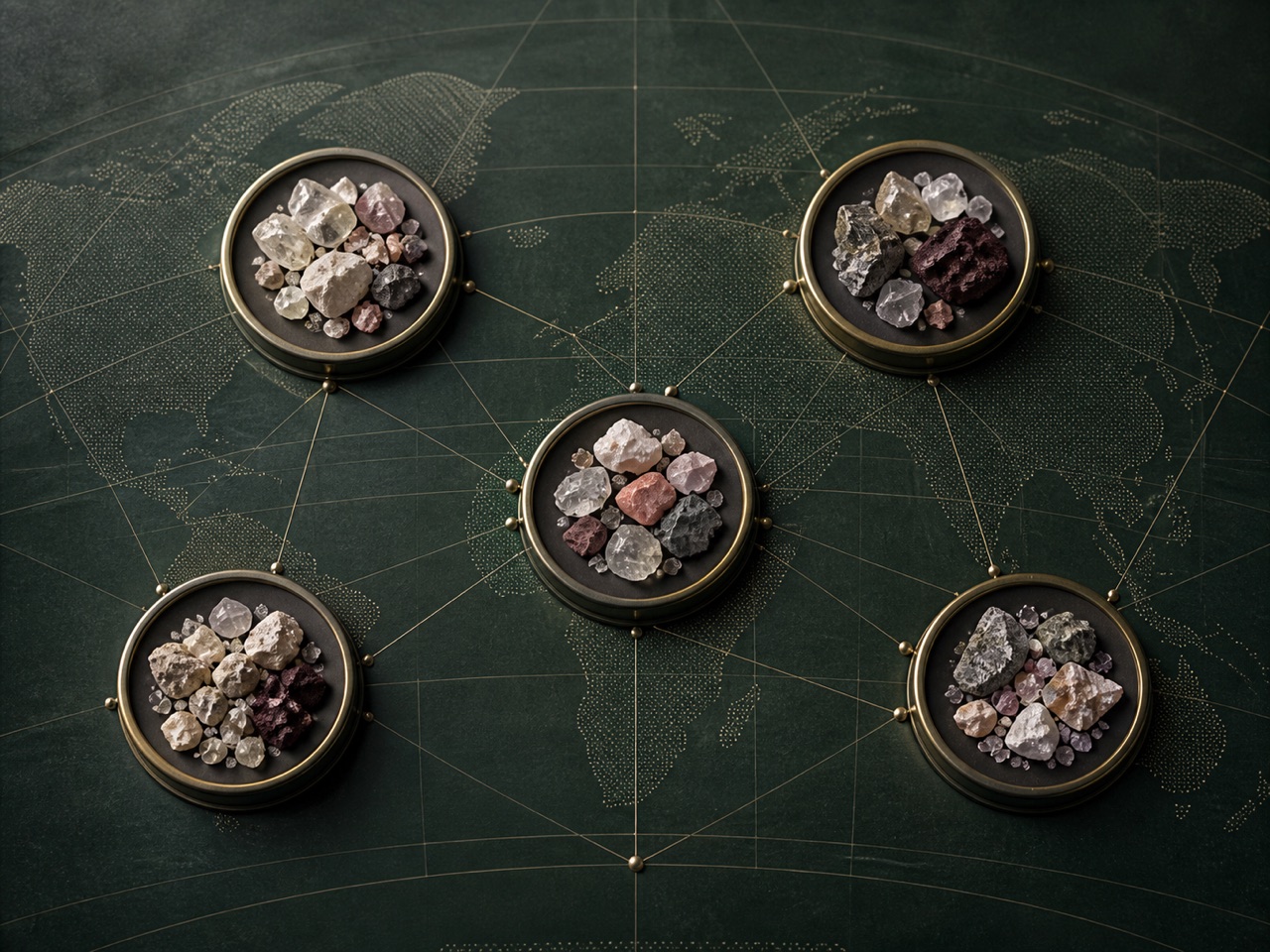
Conceptual illustration of international spread and batch-to-batch variation—not a map of prevalence.
Tusi is a category, not a compound
The name now appears across Latin America, Europe, Australia, and North America. Its recognizable feature is the branding—often pink powder—not a consistent chemical profile.
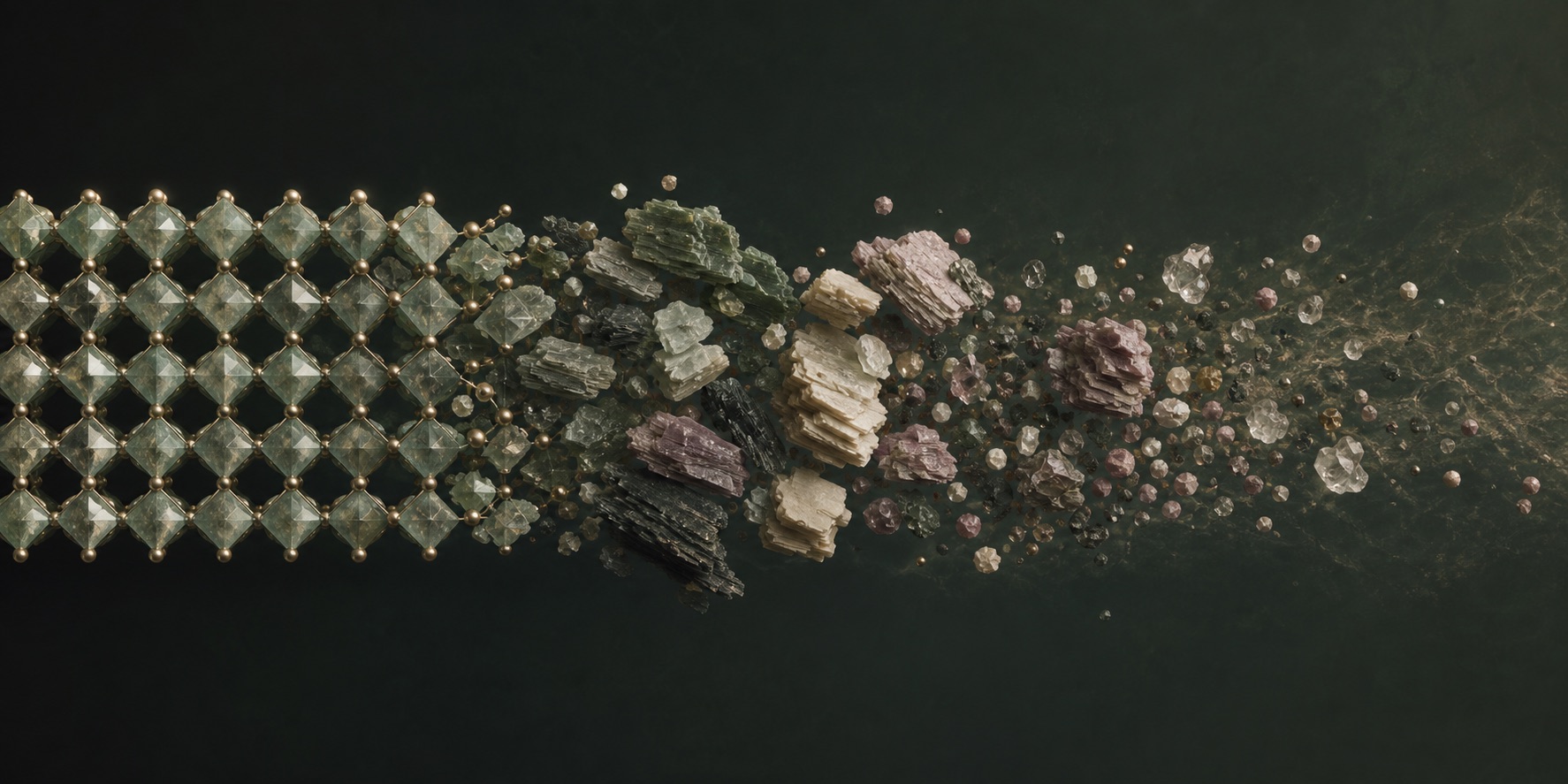
A conceptual visualization of a name separating from a single compound. It is not a photograph of a tested sample: appearance alone cannot identify what any powder contains.
One receptor profile.
Or several drugs at once.
2C-B can be studied as one molecule. Tusi has to be studied sample by sample because each ingredient brings its own pharmacology, metabolism, interactions, and risks.
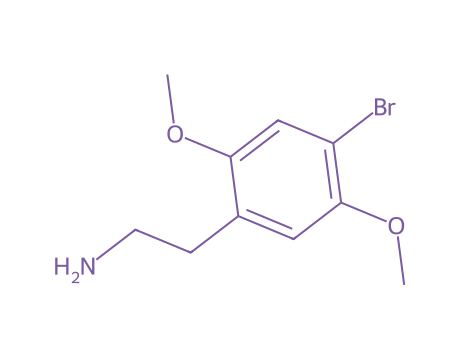
2C-B: a defined psychedelic
2C-B is structurally related to mescaline and acts at serotonin 5-HT2 receptors. In a small observational human study, it increased heart rate and blood pressure and produced changes in perception, euphoria, stimulation, and body sensation. Human evidence remains limited, and the study was not placebo-controlled.
- Class
- 2C-series phenethylamine
- Targets
- Partial agonist activity reported at 5-HT2A, 5-HT2B, and 5-HT2C receptors
- Identity
- Stable molecular structure; an unregulated sample may still be mislabelled or impure
- Evidence
- Limited human observational and toxicology literature; far less studied than LSD or psilocybin
Tusi: the batch is the pharmacology
Commonly detected ingredients pull on different brain systems. Ketamine is primarily a dissociative NMDA-receptor antagonist; MDMA increases monoamine signalling; caffeine, cocaine, or methamphetamine add stimulant effects; opioids or sedatives can suppress consciousness and breathing. A different combination means a different risk profile.
- Class
- No single class; commonly a polydrug mixture
- Targets
- Potentially NMDA, serotonin, dopamine, norepinephrine, opioid, and other systems
- Identity
- Changes between producers, batches, and sometimes portions of the same supply
- Evidence
- Drug checking, toxicology, case reports, and emerging epidemiological research
The danger is not pink.
It is unknown.
With tusi, the user may not know what drugs they are taking, how much of each is present, or how those substances interact. A familiar colour or source cannot answer those questions.
Effects can mask each other
Stimulants may make someone feel alert while a depressant or dissociative is still impairing coordination, judgment, or breathing. Feeling “awake” is not proof that the body is safe.
The same name does not mean the same dose
A previous experience with “tusi” does not establish tolerance to the next batch. Its active ingredients and concentrations may be completely different.
Unexpected opioids change the emergency
Opioids have been documented in some samples. Naloxone can reverse an opioid overdose, but it does not treat toxicity from ketamine, MDMA, cocaine, or other non-opioids—so emergency care is still essential.
If the contents are unknown,
act on the uncertainty.
The safest option is not to use an unregulated mixture. If exposure has happened or may happen, these steps reduce uncertainty and improve the chance of a fast response.
Do not trust the name or colour
Assume that a product sold as tusi, tuci, “2C,” or pink cocaine may contain multiple unexpected substances. Appearance cannot confirm 2C-B, cocaine, or any other ingredient.
Use drug checking where available
Multi-method laboratory or community drug checking can identify more of a sample than appearance or a single reagent. No test proves a product is safe, and a negative fentanyl strip does not identify everything else present.
Avoid mixing and using alone
Adding alcohol, stimulants, sedatives, opioids, or other drugs increases interaction risk. Having a sober person nearby improves recognition and response if something goes wrong.
Keep naloxone nearby
Because unexpected opioids are possible, carry naloxone and know how to use it. If someone is unresponsive or breathing abnormally, call 911 and give naloxone if available. It will not harm someone whose overdose is not opioid-related.
Do not leave the person alone
Keep monitoring breathing and responsiveness. Follow dispatcher instructions and begin rescue breathing or CPR if trained. More than one naloxone dose may be needed, and its effects can wear off.
Call a poison centre
In Canada, call 1-844-POISON-X (1-844-764-7669) for expert poisoning advice; in Québec call 1-800-463-5060. If the person is unconscious, not breathing, or seizing, call 911 instead.
If it is sold as “2C” on the street, do not assume it is 2C-B. Treat tusi as an unknown polydrug mixture unless a qualified drug-checking service has analyzed that specific sample.
Follow the evidence,
not the nickname.
This page prioritizes public-health guidance, drug-checking data, and peer-reviewed research. The evidence base is still developing, particularly around the earliest history and regional variation of tusi.
Editorial note: “Usually,” “often,” and “commonly” describe patterns in tested samples; they are not guarantees about an individual product. Historical accounts differ on whether early tusi consistently contained authentic 2C-B. This page states that uncertainty explicitly rather than presenting one origin story as settled fact. Last evidence review: August 2026.